D.D. Kartsev, Urrutia Gómez Joaquin E, Popova A. Anna, Pavel A. Levkin
{"title":"微滴微阵列的小型化和高通量实验:进展与展望","authors":"D.D. Kartsev, Urrutia Gómez Joaquin E, Popova A. Anna, Pavel A. Levkin","doi":"10.1002/admi.202400905","DOIUrl":null,"url":null,"abstract":"<p>Miniaturization in life sciences and chemical sciences offers substantial advantages to experimental workflows, such as increased throughput, reduced costs, and lower environmental impact. While microtiter plates are effective, further miniaturization is necessary to enhance efficiency and throughput. However, microtiter plates cannot be easily miniaturized to volumes below 5 µL, primarily because adhesive and capillary forces become stronger than the gravitational forces needed to confine the liquid within the wells. To overcome this, the droplet microarray (DMA) is developed, utilizing patterned adhesive regions on a liquid-repellent background to immobilize and confine sub-microliter droplets without physical barriers. This unique format enables novel applications such as droplet merging and parallel ultra-high-throughput manipulations. This review provides an overview of DMA's diverse applications and highlights the new experimental opportunities it offers, establishing it as a versatile tool for highly miniaturized, high-throughput biological and chemical experiments. The evolving requirements and future applications of the DMA approach are also discussed.</p>","PeriodicalId":115,"journal":{"name":"Advanced Materials Interfaces","volume":"12 4","pages":""},"PeriodicalIF":4.5000,"publicationDate":"2025-01-09","publicationTypes":"Journal Article","fieldsOfStudy":null,"isOpenAccess":false,"openAccessPdf":"https://onlinelibrary.wiley.com/doi/epdf/10.1002/admi.202400905","citationCount":"0","resultStr":"{\"title\":\"Droplet Microarrays for Miniaturized and High-Throughput Experiments: Progress and Prospectives\",\"authors\":\"D.D. Kartsev, Urrutia Gómez Joaquin E, Popova A. Anna, Pavel A. Levkin\",\"doi\":\"10.1002/admi.202400905\",\"DOIUrl\":null,\"url\":null,\"abstract\":\"<p>Miniaturization in life sciences and chemical sciences offers substantial advantages to experimental workflows, such as increased throughput, reduced costs, and lower environmental impact. While microtiter plates are effective, further miniaturization is necessary to enhance efficiency and throughput. However, microtiter plates cannot be easily miniaturized to volumes below 5 µL, primarily because adhesive and capillary forces become stronger than the gravitational forces needed to confine the liquid within the wells. To overcome this, the droplet microarray (DMA) is developed, utilizing patterned adhesive regions on a liquid-repellent background to immobilize and confine sub-microliter droplets without physical barriers. This unique format enables novel applications such as droplet merging and parallel ultra-high-throughput manipulations. This review provides an overview of DMA's diverse applications and highlights the new experimental opportunities it offers, establishing it as a versatile tool for highly miniaturized, high-throughput biological and chemical experiments. The evolving requirements and future applications of the DMA approach are also discussed.</p>\",\"PeriodicalId\":115,\"journal\":{\"name\":\"Advanced Materials Interfaces\",\"volume\":\"12 4\",\"pages\":\"\"},\"PeriodicalIF\":4.5000,\"publicationDate\":\"2025-01-09\",\"publicationTypes\":\"Journal Article\",\"fieldsOfStudy\":null,\"isOpenAccess\":false,\"openAccessPdf\":\"https://onlinelibrary.wiley.com/doi/epdf/10.1002/admi.202400905\",\"citationCount\":\"0\",\"resultStr\":null,\"platform\":\"Semanticscholar\",\"paperid\":null,\"PeriodicalName\":\"Advanced Materials Interfaces\",\"FirstCategoryId\":\"88\",\"ListUrlMain\":\"https://advanced.onlinelibrary.wiley.com/doi/10.1002/admi.202400905\",\"RegionNum\":3,\"RegionCategory\":\"材料科学\",\"ArticlePicture\":[],\"TitleCN\":null,\"AbstractTextCN\":null,\"PMCID\":null,\"EPubDate\":\"\",\"PubModel\":\"\",\"JCR\":\"Q2\",\"JCRName\":\"CHEMISTRY, MULTIDISCIPLINARY\",\"Score\":null,\"Total\":0}","platform":"Semanticscholar","paperid":null,"PeriodicalName":"Advanced Materials Interfaces","FirstCategoryId":"88","ListUrlMain":"https://advanced.onlinelibrary.wiley.com/doi/10.1002/admi.202400905","RegionNum":3,"RegionCategory":"材料科学","ArticlePicture":[],"TitleCN":null,"AbstractTextCN":null,"PMCID":null,"EPubDate":"","PubModel":"","JCR":"Q2","JCRName":"CHEMISTRY, MULTIDISCIPLINARY","Score":null,"Total":0}
Droplet Microarrays for Miniaturized and High-Throughput Experiments: Progress and Prospectives
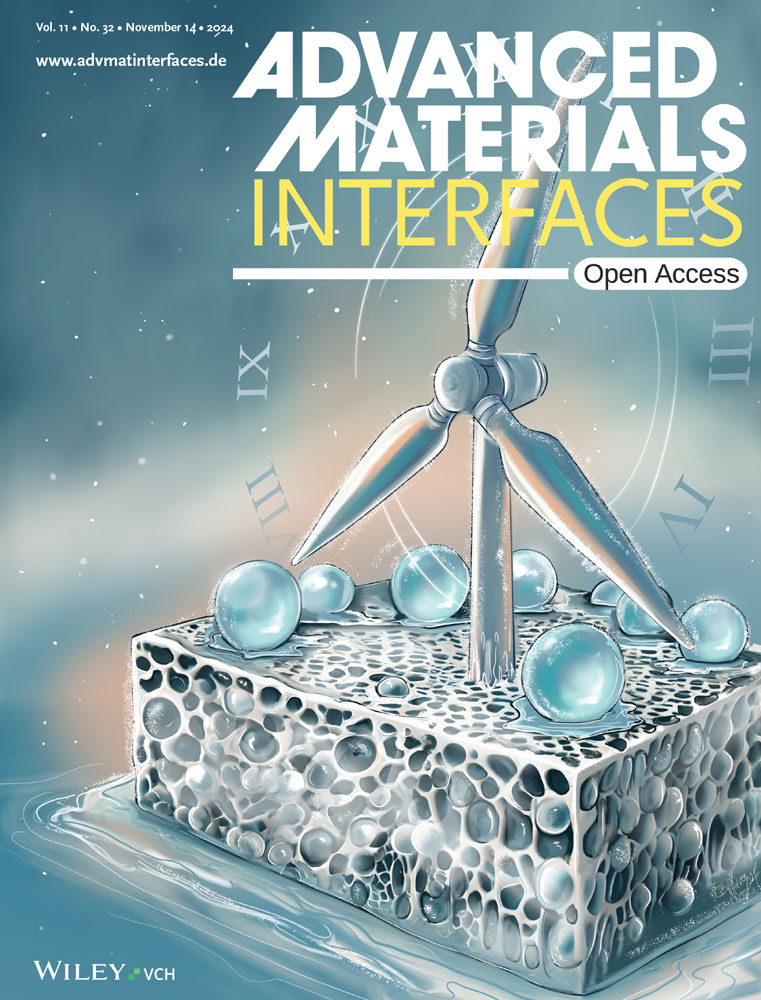
Miniaturization in life sciences and chemical sciences offers substantial advantages to experimental workflows, such as increased throughput, reduced costs, and lower environmental impact. While microtiter plates are effective, further miniaturization is necessary to enhance efficiency and throughput. However, microtiter plates cannot be easily miniaturized to volumes below 5 µL, primarily because adhesive and capillary forces become stronger than the gravitational forces needed to confine the liquid within the wells. To overcome this, the droplet microarray (DMA) is developed, utilizing patterned adhesive regions on a liquid-repellent background to immobilize and confine sub-microliter droplets without physical barriers. This unique format enables novel applications such as droplet merging and parallel ultra-high-throughput manipulations. This review provides an overview of DMA's diverse applications and highlights the new experimental opportunities it offers, establishing it as a versatile tool for highly miniaturized, high-throughput biological and chemical experiments. The evolving requirements and future applications of the DMA approach are also discussed.
期刊介绍:
Advanced Materials Interfaces publishes top-level research on interface technologies and effects. Considering any interface formed between solids, liquids, and gases, the journal ensures an interdisciplinary blend of physics, chemistry, materials science, and life sciences. Advanced Materials Interfaces was launched in 2014 and received an Impact Factor of 4.834 in 2018.
The scope of Advanced Materials Interfaces is dedicated to interfaces and surfaces that play an essential role in virtually all materials and devices. Physics, chemistry, materials science and life sciences blend to encourage new, cross-pollinating ideas, which will drive forward our understanding of the processes at the interface.
Advanced Materials Interfaces covers all topics in interface-related research:
Oil / water separation,
Applications of nanostructured materials,
2D materials and heterostructures,
Surfaces and interfaces in organic electronic devices,
Catalysis and membranes,
Self-assembly and nanopatterned surfaces,
Composite and coating materials,
Biointerfaces for technical and medical applications.
Advanced Materials Interfaces provides a forum for topics on surface and interface science with a wide choice of formats: Reviews, Full Papers, and Communications, as well as Progress Reports and Research News.






 京公网安备 11010802042870号
京ICP备2023020795号-1
京公网安备 11010802042870号
京ICP备2023020795号-1

 分享
分享
 求助内容:
求助内容: 应助结果提醒方式:
 扫码关注我们
