Jaime Fernandes, Sandra Gomes, Fernando H Reboredo, Manuela E Pintado, Olga Amaral, João Dias, Nuno Alvarenga
{"title":"奶酪生产中的清洁标签方法:我们在哪里?","authors":"Jaime Fernandes, Sandra Gomes, Fernando H Reboredo, Manuela E Pintado, Olga Amaral, João Dias, Nuno Alvarenga","doi":"10.3390/foods14050805","DOIUrl":null,"url":null,"abstract":"<p><p>The Clean Label concept has gained significant traction in the cheese industry due to consumer preferences for minimally processed cheeses free from synthetic additives. This review explores different approaches for applying Clean Label principles to the cheese industry while maintaining food safety, sensory quality, and shelf life. Non-thermal technologies, such as high-pressure processing (HPP), pulsed electric fields (PEF), ultra-violet (UV), and visible light (VL), are among the most promising methods that effectively control microbial growth while preserving the nutritional and functional properties of cheese. Protective cultures, postbiotics, and bacteriophages represent microbiological strategies that are natural alternatives to conventional preservatives. Another efficient approach involves plant extracts, which contribute to microbial control, and enhance cheese functionality and potential health benefits. Edible coatings, either alone or combined with other methods, also show promising applications. Despite these advantages, several challenges persist: higher costs of production and technical limitations, possible shorter shelf-life, and regulatory challenges, such as the absence of standardized Clean Label definitions and compliance complexities. Further research is needed to develop and refine Clean Label formulations, especially regarding bioactive peptides, sustainable packaging, and advanced microbial control techniques. Addressing these challenges will be essential for expanding Clean Label cheese availability while ensuring product quality and maintaining consumer acceptance.</p>","PeriodicalId":12386,"journal":{"name":"Foods","volume":"14 5","pages":""},"PeriodicalIF":6.0000,"publicationDate":"2025-02-26","publicationTypes":"Journal Article","fieldsOfStudy":null,"isOpenAccess":false,"openAccessPdf":"https://www.ncbi.nlm.nih.gov/pmc/articles/PMC11899541/pdf/","citationCount":"0","resultStr":"{\"title\":\"Clean Label Approaches in Cheese Production: Where Are We?\",\"authors\":\"Jaime Fernandes, Sandra Gomes, Fernando H Reboredo, Manuela E Pintado, Olga Amaral, João Dias, Nuno Alvarenga\",\"doi\":\"10.3390/foods14050805\",\"DOIUrl\":null,\"url\":null,\"abstract\":\"<p><p>The Clean Label concept has gained significant traction in the cheese industry due to consumer preferences for minimally processed cheeses free from synthetic additives. This review explores different approaches for applying Clean Label principles to the cheese industry while maintaining food safety, sensory quality, and shelf life. Non-thermal technologies, such as high-pressure processing (HPP), pulsed electric fields (PEF), ultra-violet (UV), and visible light (VL), are among the most promising methods that effectively control microbial growth while preserving the nutritional and functional properties of cheese. Protective cultures, postbiotics, and bacteriophages represent microbiological strategies that are natural alternatives to conventional preservatives. Another efficient approach involves plant extracts, which contribute to microbial control, and enhance cheese functionality and potential health benefits. Edible coatings, either alone or combined with other methods, also show promising applications. Despite these advantages, several challenges persist: higher costs of production and technical limitations, possible shorter shelf-life, and regulatory challenges, such as the absence of standardized Clean Label definitions and compliance complexities. Further research is needed to develop and refine Clean Label formulations, especially regarding bioactive peptides, sustainable packaging, and advanced microbial control techniques. Addressing these challenges will be essential for expanding Clean Label cheese availability while ensuring product quality and maintaining consumer acceptance.</p>\",\"PeriodicalId\":12386,\"journal\":{\"name\":\"Foods\",\"volume\":\"14 5\",\"pages\":\"\"},\"PeriodicalIF\":6.0000,\"publicationDate\":\"2025-02-26\",\"publicationTypes\":\"Journal Article\",\"fieldsOfStudy\":null,\"isOpenAccess\":false,\"openAccessPdf\":\"https://www.ncbi.nlm.nih.gov/pmc/articles/PMC11899541/pdf/\",\"citationCount\":\"0\",\"resultStr\":null,\"platform\":\"Semanticscholar\",\"paperid\":null,\"PeriodicalName\":\"Foods\",\"FirstCategoryId\":\"97\",\"ListUrlMain\":\"https://doi.org/10.3390/foods14050805\",\"RegionNum\":2,\"RegionCategory\":\"农林科学\",\"ArticlePicture\":[],\"TitleCN\":null,\"AbstractTextCN\":null,\"PMCID\":null,\"EPubDate\":\"\",\"PubModel\":\"\",\"JCR\":\"Q1\",\"JCRName\":\"FOOD SCIENCE & TECHNOLOGY\",\"Score\":null,\"Total\":0}","platform":"Semanticscholar","paperid":null,"PeriodicalName":"Foods","FirstCategoryId":"97","ListUrlMain":"https://doi.org/10.3390/foods14050805","RegionNum":2,"RegionCategory":"农林科学","ArticlePicture":[],"TitleCN":null,"AbstractTextCN":null,"PMCID":null,"EPubDate":"","PubModel":"","JCR":"Q1","JCRName":"FOOD SCIENCE & TECHNOLOGY","Score":null,"Total":0}
Clean Label Approaches in Cheese Production: Where Are We?
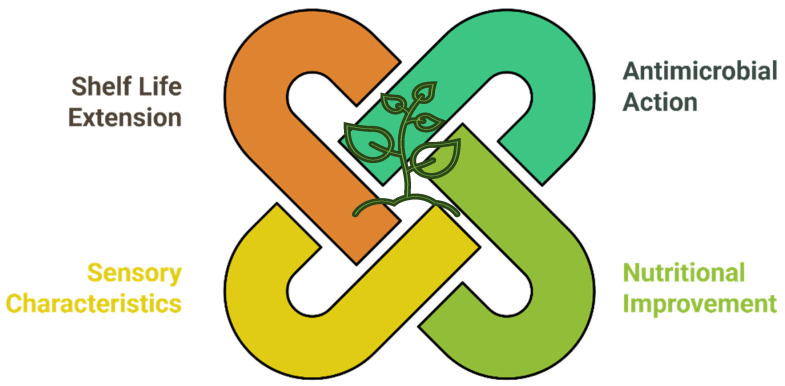
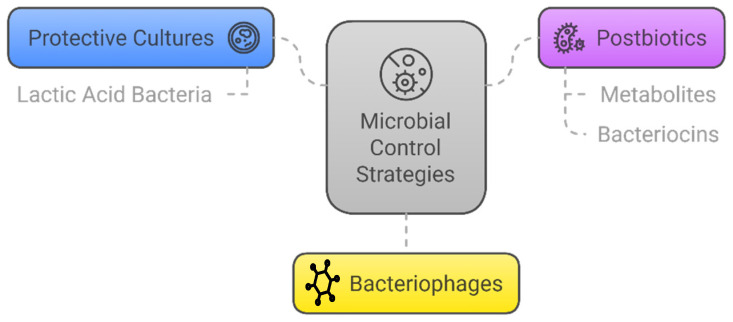
The Clean Label concept has gained significant traction in the cheese industry due to consumer preferences for minimally processed cheeses free from synthetic additives. This review explores different approaches for applying Clean Label principles to the cheese industry while maintaining food safety, sensory quality, and shelf life. Non-thermal technologies, such as high-pressure processing (HPP), pulsed electric fields (PEF), ultra-violet (UV), and visible light (VL), are among the most promising methods that effectively control microbial growth while preserving the nutritional and functional properties of cheese. Protective cultures, postbiotics, and bacteriophages represent microbiological strategies that are natural alternatives to conventional preservatives. Another efficient approach involves plant extracts, which contribute to microbial control, and enhance cheese functionality and potential health benefits. Edible coatings, either alone or combined with other methods, also show promising applications. Despite these advantages, several challenges persist: higher costs of production and technical limitations, possible shorter shelf-life, and regulatory challenges, such as the absence of standardized Clean Label definitions and compliance complexities. Further research is needed to develop and refine Clean Label formulations, especially regarding bioactive peptides, sustainable packaging, and advanced microbial control techniques. Addressing these challenges will be essential for expanding Clean Label cheese availability while ensuring product quality and maintaining consumer acceptance.
期刊介绍:
Foods (ISSN 2304-8158) is an international, peer-reviewed scientific open access journal which provides an advanced forum for studies related to all aspects of food research. It publishes reviews, regular research papers and short communications. Our aim is to encourage scientists, researchers, and other food professionals to publish their experimental and theoretical results in as much detail as possible or share their knowledge with as much readers unlimitedly as possible. There is no restriction on the length of the papers. The full experimental details must be provided so that the results can be reproduced. There are, in addition, unique features of this journal:
manuscripts regarding research proposals and research ideas will be particularly welcomed
electronic files or software regarding the full details of the calculation and experimental procedure, if unable to be published in a normal way, can be deposited as supplementary material
we also accept manuscripts communicating to a broader audience with regard to research projects financed with public funds





 京公网安备 11010802042870号
京ICP备2023020795号-1
京公网安备 11010802042870号
京ICP备2023020795号-1

 分享
分享
 求助内容:
求助内容: 应助结果提醒方式:
 扫码关注我们
