{"title":"在不利结果途径的开发和使用中基于组学的输入和输出","authors":"Mathieu Vinken","doi":"10.1016/j.cotox.2019.02.006","DOIUrl":null,"url":null,"abstract":"<div><p><span>Adverse outcome pathways (AOPs) are pragmatic tools in toxicology and risk assessment with broad potential. AOPs are designed to provide a clear-cut mechanistic representation of toxicological effects that span over different layers of biological organization. AOPs share a common structure consisting of a molecular initiating event, a series of key events connected by key event relationships and an adverse outcome. AOPs can serve a number of purposes pertinent to safety assessment of chemicals, such as the establishment of quantitative structure–activity relationships, the development of novel </span><em>in vitro</em><span> toxicity screening tests, and the elaboration of prioritization strategies. Development of AOPs ideally complies with guidelines issued by the Organization for Economic Cooperation and Development. Omics<span>, in particular transcriptomics, plays a major role in the establishment and application of AOPs by defining key events and by providing biomarkers for toxicity screening, respectively.</span></span></p></div>","PeriodicalId":37736,"journal":{"name":"Current Opinion in Toxicology","volume":"18 ","pages":"Pages 8-12"},"PeriodicalIF":3.6000,"publicationDate":"2019-12-01","publicationTypes":"Journal Article","fieldsOfStudy":null,"isOpenAccess":false,"openAccessPdf":"https://sci-hub-pdf.com/10.1016/j.cotox.2019.02.006","citationCount":"20","resultStr":"{\"title\":\"Omics-based input and output in the development and use of adverse outcome pathways\",\"authors\":\"Mathieu Vinken\",\"doi\":\"10.1016/j.cotox.2019.02.006\",\"DOIUrl\":null,\"url\":null,\"abstract\":\"<div><p><span>Adverse outcome pathways (AOPs) are pragmatic tools in toxicology and risk assessment with broad potential. AOPs are designed to provide a clear-cut mechanistic representation of toxicological effects that span over different layers of biological organization. AOPs share a common structure consisting of a molecular initiating event, a series of key events connected by key event relationships and an adverse outcome. AOPs can serve a number of purposes pertinent to safety assessment of chemicals, such as the establishment of quantitative structure–activity relationships, the development of novel </span><em>in vitro</em><span> toxicity screening tests, and the elaboration of prioritization strategies. Development of AOPs ideally complies with guidelines issued by the Organization for Economic Cooperation and Development. Omics<span>, in particular transcriptomics, plays a major role in the establishment and application of AOPs by defining key events and by providing biomarkers for toxicity screening, respectively.</span></span></p></div>\",\"PeriodicalId\":37736,\"journal\":{\"name\":\"Current Opinion in Toxicology\",\"volume\":\"18 \",\"pages\":\"Pages 8-12\"},\"PeriodicalIF\":3.6000,\"publicationDate\":\"2019-12-01\",\"publicationTypes\":\"Journal Article\",\"fieldsOfStudy\":null,\"isOpenAccess\":false,\"openAccessPdf\":\"https://sci-hub-pdf.com/10.1016/j.cotox.2019.02.006\",\"citationCount\":\"20\",\"resultStr\":null,\"platform\":\"Semanticscholar\",\"paperid\":null,\"PeriodicalName\":\"Current Opinion in Toxicology\",\"FirstCategoryId\":\"1085\",\"ListUrlMain\":\"https://www.sciencedirect.com/science/article/pii/S2468202018300159\",\"RegionNum\":0,\"RegionCategory\":null,\"ArticlePicture\":[],\"TitleCN\":null,\"AbstractTextCN\":null,\"PMCID\":null,\"EPubDate\":\"2019/3/2 0:00:00\",\"PubModel\":\"Epub\",\"JCR\":\"Q1\",\"JCRName\":\"TOXICOLOGY\",\"Score\":null,\"Total\":0}","platform":"Semanticscholar","paperid":null,"PeriodicalName":"Current Opinion in Toxicology","FirstCategoryId":"1085","ListUrlMain":"https://www.sciencedirect.com/science/article/pii/S2468202018300159","RegionNum":0,"RegionCategory":null,"ArticlePicture":[],"TitleCN":null,"AbstractTextCN":null,"PMCID":null,"EPubDate":"2019/3/2 0:00:00","PubModel":"Epub","JCR":"Q1","JCRName":"TOXICOLOGY","Score":null,"Total":0}
Omics-based input and output in the development and use of adverse outcome pathways
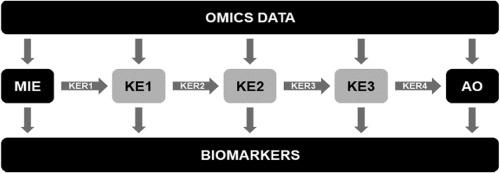
Adverse outcome pathways (AOPs) are pragmatic tools in toxicology and risk assessment with broad potential. AOPs are designed to provide a clear-cut mechanistic representation of toxicological effects that span over different layers of biological organization. AOPs share a common structure consisting of a molecular initiating event, a series of key events connected by key event relationships and an adverse outcome. AOPs can serve a number of purposes pertinent to safety assessment of chemicals, such as the establishment of quantitative structure–activity relationships, the development of novel in vitro toxicity screening tests, and the elaboration of prioritization strategies. Development of AOPs ideally complies with guidelines issued by the Organization for Economic Cooperation and Development. Omics, in particular transcriptomics, plays a major role in the establishment and application of AOPs by defining key events and by providing biomarkers for toxicity screening, respectively.
期刊介绍:
The aims and scope of Current Opinion in Toxicology is to systematically provide the reader with timely and provocative views and opinions of the highest qualified and recognized experts on current advances in selected topics within the field of toxicology. The goal is that Current Opinion in Toxicology will be an invaluable source of information and perspective for researchers, teachers, managers and administrators, policy makers and students. Division of the subject into sections: For this purpose, the scope of Toxicology is divided into six selected high impact themed sections, each of which is reviewed once a year: Mechanistic Toxicology, Metabolic Toxicology, Risk assessment in Toxicology, Genomic Toxicology, Systems Toxicology, Translational Toxicology.



 京公网安备 11010802042870号
京ICP备2023020795号-1
京公网安备 11010802042870号
京ICP备2023020795号-1

 分享
分享
 求助内容:
求助内容: 应助结果提醒方式:
 扫码关注我们
