N M van Moppes, M Nasori, A C Jorissen, J M van Es, J Bont, M R M Visser, M E T C van den Muijsenbergh
{"title":"Exploring the educational journey: perspectives of ethnic minority GP-trainees in Dutch GP-specialty training - a qualitative interview study.","authors":"N M van Moppes, M Nasori, A C Jorissen, J M van Es, J Bont, M R M Visser, M E T C van den Muijsenbergh","doi":"10.1186/s12939-024-02341-x","DOIUrl":null,"url":null,"abstract":"<p><strong>Background: </strong>Previous research highlights persistent differential attainment by ethnicity in medical education, wherein the perceived inclusiveness significantly influences ethnic minority students' and trainees' outcomes. Biased organizational practices and microaggressions exacerbate the challenges faced by ethnic minorities, leading to lower academic performance and higher dropout rates. Consequently, understanding ethnic minority GP-trainees' experiences and perspectives regarding relevant educational aspects is crucial for addressing these disparities and cultivating a more inclusive environment within medical education.</p><p><strong>Research question: </strong>We aimed to investigate the experiences of minority GP-trainees throughout their educational journey in Dutch GP-specialty training, emphasizing their challenges, sources of support, and suggestions for enhancing their learning environment.</p><p><strong>Method: </strong>We conducted semi-structured, in-depth interviews with minority GP trainees, employing purposive convenience sampling to ensure diversity across multiple dimensions. These included gender, age, ethnicity, social background, migration generation, educational stage, encountered challenges, sources of support, and the GP training institute attended. The analysis involved iterative, open and axial coding, followed by generating, reviewing, and defining themes. For a structured analysis of encountered microaggressions, we adopted Sue's Taxonomy of Microaggressions.</p><p><strong>Results: </strong>All fourteen ethnic minority interviewees had faced educational barriers stemming from misunderstandings and stereotyping in a predominantly 'white' organization. These barriers impacted various aspects of their education, including professional identity formation, application, admission, assessment procedures, social networks, course content, and expert guidance. Microaggressions permeated throughout their educational journey, hindering their full expression and potential. Their ideal GP-specialty training emphasized uniqueness of all trainees, comprehensive staff engagement in inclusivity, robust diversity, equity, and inclusion (DEI)-policies, individual mentorship, transparent standards, concise language usage in test questions, and bias elimination through mandatory DEI staff training.</p><p><strong>Conclusion: </strong>Ethnic minority GP-trainees in the Netherlands face significant challenges like biased assessment and admission, stereotyped course content, inadequate support networks, and microaggressions, putting them at risk for underperformance outcomes. They emphasize the need for inclusive training with robust DEI-policies to eliminate bias.</p>","PeriodicalId":13745,"journal":{"name":"International Journal for Equity in Health","volume":"23 1","pages":"253"},"PeriodicalIF":4.1000,"publicationDate":"2024-11-28","publicationTypes":"Journal Article","fieldsOfStudy":null,"isOpenAccess":false,"openAccessPdf":"https://www.ncbi.nlm.nih.gov/pmc/articles/PMC11603862/pdf/","citationCount":"0","resultStr":null,"platform":"Semanticscholar","paperid":null,"PeriodicalName":"International Journal for Equity in Health","FirstCategoryId":"3","ListUrlMain":"https://doi.org/10.1186/s12939-024-02341-x","RegionNum":2,"RegionCategory":"医学","ArticlePicture":[],"TitleCN":null,"AbstractTextCN":null,"PMCID":null,"EPubDate":"","PubModel":"","JCR":"Q1","JCRName":"PUBLIC, ENVIRONMENTAL & OCCUPATIONAL HEALTH","Score":null,"Total":0}
引用次数: 0
Abstract
Background: Previous research highlights persistent differential attainment by ethnicity in medical education, wherein the perceived inclusiveness significantly influences ethnic minority students' and trainees' outcomes. Biased organizational practices and microaggressions exacerbate the challenges faced by ethnic minorities, leading to lower academic performance and higher dropout rates. Consequently, understanding ethnic minority GP-trainees' experiences and perspectives regarding relevant educational aspects is crucial for addressing these disparities and cultivating a more inclusive environment within medical education.
Research question: We aimed to investigate the experiences of minority GP-trainees throughout their educational journey in Dutch GP-specialty training, emphasizing their challenges, sources of support, and suggestions for enhancing their learning environment.
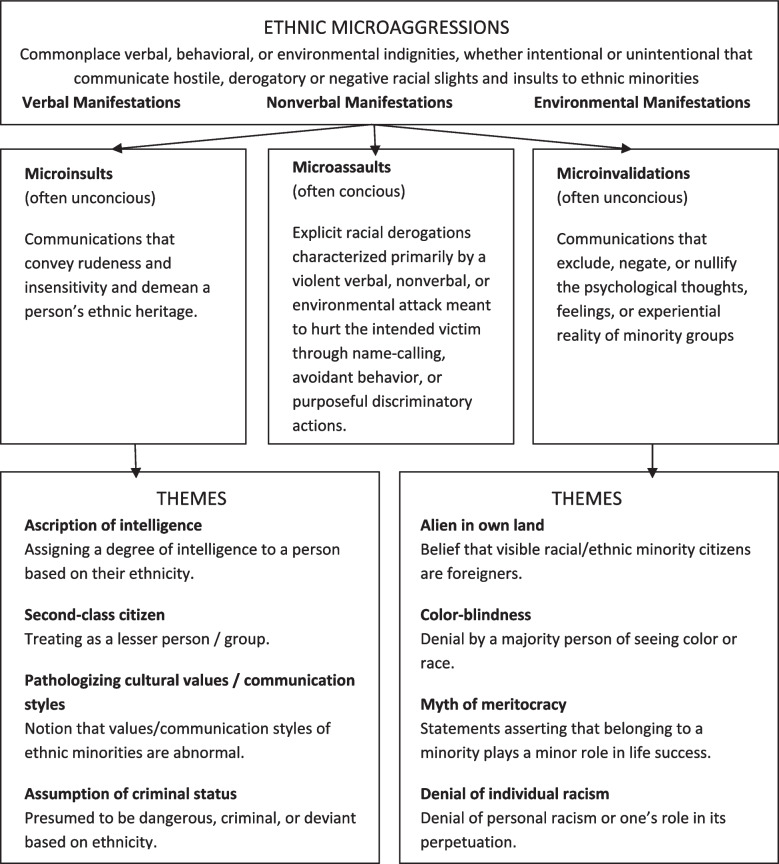
Method: We conducted semi-structured, in-depth interviews with minority GP trainees, employing purposive convenience sampling to ensure diversity across multiple dimensions. These included gender, age, ethnicity, social background, migration generation, educational stage, encountered challenges, sources of support, and the GP training institute attended. The analysis involved iterative, open and axial coding, followed by generating, reviewing, and defining themes. For a structured analysis of encountered microaggressions, we adopted Sue's Taxonomy of Microaggressions.
Results: All fourteen ethnic minority interviewees had faced educational barriers stemming from misunderstandings and stereotyping in a predominantly 'white' organization. These barriers impacted various aspects of their education, including professional identity formation, application, admission, assessment procedures, social networks, course content, and expert guidance. Microaggressions permeated throughout their educational journey, hindering their full expression and potential. Their ideal GP-specialty training emphasized uniqueness of all trainees, comprehensive staff engagement in inclusivity, robust diversity, equity, and inclusion (DEI)-policies, individual mentorship, transparent standards, concise language usage in test questions, and bias elimination through mandatory DEI staff training.
Conclusion: Ethnic minority GP-trainees in the Netherlands face significant challenges like biased assessment and admission, stereotyped course content, inadequate support networks, and microaggressions, putting them at risk for underperformance outcomes. They emphasize the need for inclusive training with robust DEI-policies to eliminate bias.
期刊介绍:
International Journal for Equity in Health is an Open Access, peer-reviewed, online journal presenting evidence relevant to the search for, and attainment of, equity in health across and within countries. International Journal for Equity in Health aims to improve the understanding of issues that influence the health of populations. This includes the discussion of political, policy-related, economic, social and health services-related influences, particularly with regard to systematic differences in distributions of one or more aspects of health in population groups defined demographically, geographically, or socially.




 京公网安备 11010802042870号
京ICP备2023020795号-1
京公网安备 11010802042870号
京ICP备2023020795号-1

 分享
分享
 求助内容:
求助内容: 应助结果提醒方式:
 扫码关注我们
