Sai Nikhila Ghanta, Lakshmi P V Kattamuri, Adetayo Odueke, Jawahar L Mehta
{"title":"Molecular Insights into Ischemia-Reperfusion Injury in Coronary Artery Disease: Mechanisms and Therapeutic Implications: A Comprehensive Review.","authors":"Sai Nikhila Ghanta, Lakshmi P V Kattamuri, Adetayo Odueke, Jawahar L Mehta","doi":"10.3390/antiox14020213","DOIUrl":null,"url":null,"abstract":"<p><p>Coronary artery disease remains a leading cause of morbidity and mortality worldwide. Acute myocardial infarction results in ischemia-induced cellular dysfunction and death. While timely reperfusion limits myocardial damage, it paradoxically triggers ischemia-reperfusion injury (IRI), exacerbating tissue damage. IRI, first observed in the 1960s, is mediated by complex molecular pathways, including oxidative stress, calcium dysregulation, endothelial dysfunction, and inflammation. This review examines emerging therapeutic strategies targeting IRI, including ischemic preconditioning, postconditioning, pharmacological agents, and anti-inflammatory therapies. Preconditioning serves as an endogenous protection mechanism, while pharmacological postconditioning has become a more clinically feasible approach to target oxidative stress, inflammation, and apoptosis during reperfusion. Pharmacological agents, such as GSK-3β inhibitors, JNK inhibitors, and mesenchymal stem cell-derived exosomes, have shown promise in modulating molecular pathways, including Wnt/β-catenin and NF-κB, to reduce myocardial injury and enhance recovery. Combination therapies, integrating pharmacological agents with mechanical postconditioning, provide a synergistic approach to further protect tissue and mitigate damage. However, translating preclinical findings to clinical practice remains challenging due to discrepancies between animal models and human conditions, particularly with comorbidities such as diabetes and hypertension. Continued research is essential to refine these therapies, optimize clinical application, and address translational challenges to improve outcomes in IRI.</p>","PeriodicalId":7984,"journal":{"name":"Antioxidants","volume":"14 2","pages":""},"PeriodicalIF":6.6000,"publicationDate":"2025-02-13","publicationTypes":"Journal Article","fieldsOfStudy":null,"isOpenAccess":false,"openAccessPdf":"https://www.ncbi.nlm.nih.gov/pmc/articles/PMC11851988/pdf/","citationCount":"0","resultStr":null,"platform":"Semanticscholar","paperid":null,"PeriodicalName":"Antioxidants","FirstCategoryId":"3","ListUrlMain":"https://doi.org/10.3390/antiox14020213","RegionNum":2,"RegionCategory":"医学","ArticlePicture":[],"TitleCN":null,"AbstractTextCN":null,"PMCID":null,"EPubDate":"","PubModel":"","JCR":"Q1","JCRName":"BIOCHEMISTRY & MOLECULAR BIOLOGY","Score":null,"Total":0}
引用次数: 0
Abstract
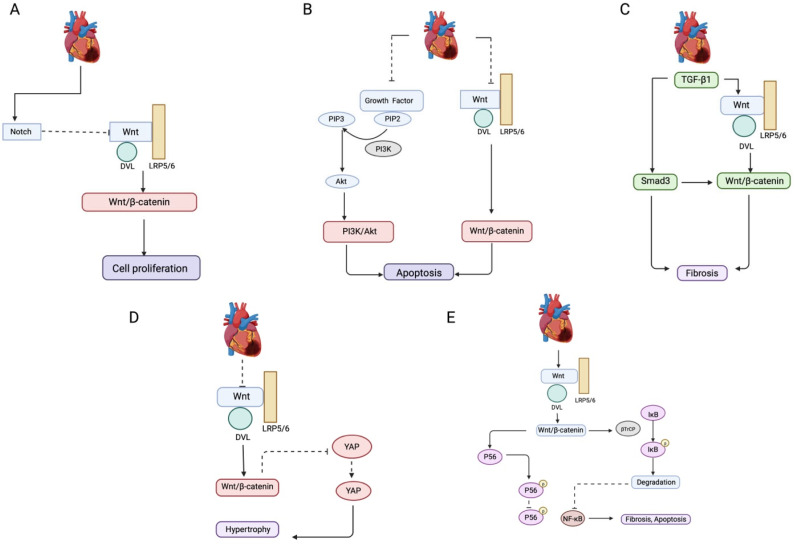
Coronary artery disease remains a leading cause of morbidity and mortality worldwide. Acute myocardial infarction results in ischemia-induced cellular dysfunction and death. While timely reperfusion limits myocardial damage, it paradoxically triggers ischemia-reperfusion injury (IRI), exacerbating tissue damage. IRI, first observed in the 1960s, is mediated by complex molecular pathways, including oxidative stress, calcium dysregulation, endothelial dysfunction, and inflammation. This review examines emerging therapeutic strategies targeting IRI, including ischemic preconditioning, postconditioning, pharmacological agents, and anti-inflammatory therapies. Preconditioning serves as an endogenous protection mechanism, while pharmacological postconditioning has become a more clinically feasible approach to target oxidative stress, inflammation, and apoptosis during reperfusion. Pharmacological agents, such as GSK-3β inhibitors, JNK inhibitors, and mesenchymal stem cell-derived exosomes, have shown promise in modulating molecular pathways, including Wnt/β-catenin and NF-κB, to reduce myocardial injury and enhance recovery. Combination therapies, integrating pharmacological agents with mechanical postconditioning, provide a synergistic approach to further protect tissue and mitigate damage. However, translating preclinical findings to clinical practice remains challenging due to discrepancies between animal models and human conditions, particularly with comorbidities such as diabetes and hypertension. Continued research is essential to refine these therapies, optimize clinical application, and address translational challenges to improve outcomes in IRI.
AntioxidantsBiochemistry, Genetics and Molecular Biology-Physiology
CiteScore
10.60
自引率
11.40%
发文量
2123
审稿时长
16.3 days
期刊介绍:
Antioxidants (ISSN 2076-3921), provides an advanced forum for studies related to the science and technology of antioxidants. It publishes research papers, reviews and communications. Our aim is to encourage scientists to publish their experimental and theoretical results in as much detail as possible. There is no restriction on the length of the papers. The full experimental details must be provided so that the results can be reproduced. Electronic files and software regarding the full details of the calculation or experimental procedure, if unable to be published in a normal way, can be deposited as supplementary electronic material.



 京公网安备 11010802042870号
京ICP备2023020795号-1
京公网安备 11010802042870号
京ICP备2023020795号-1

 分享
分享
 求助内容:
求助内容: 应助结果提醒方式:
 扫码关注我们
